





































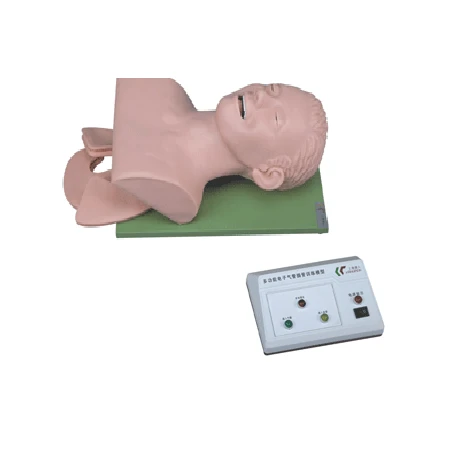


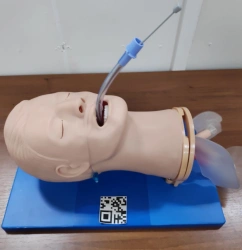
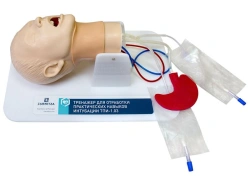
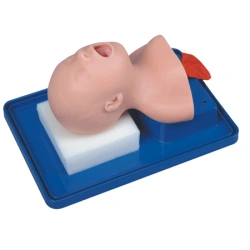
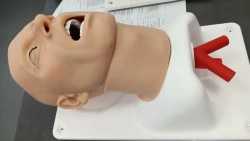
Mimics the head and neck in life-size, repeats the anatomical structure.
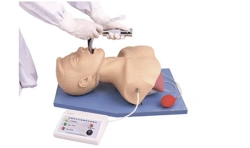
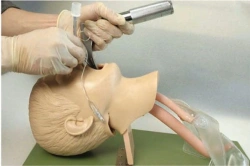
- Allows you to conduct both educational demonstration and practise intubation skills through the oral or nasal cavity.
- Controls the correctness of intubation, while ventilating the lungs increases the size of the lungs.
- If intubation is not performed correctly, ventilating the lungs increases the size of the stomach and sounds an alarm.
- If the trainee applies excessive pressure on the teeth with the laryngoscope during intubation, an alarm sounds.
- The model simulates changes in pupil size.
- There is an indicator of damage to the cricothyroid membrane. Powered by batteries.


Tell us what you need and get quotes from verified suppliers